Phone:
+86-021-39198011
EN
WHAT ARE YOU LOOKING FOR?
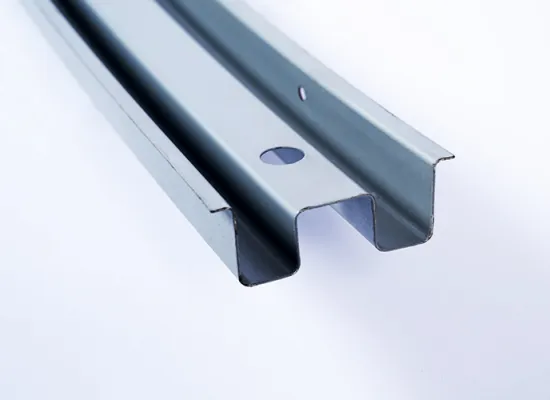
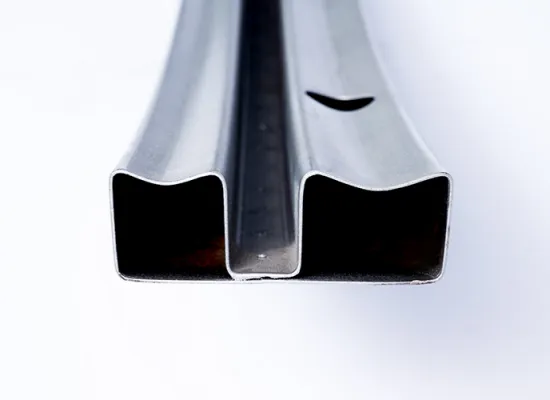
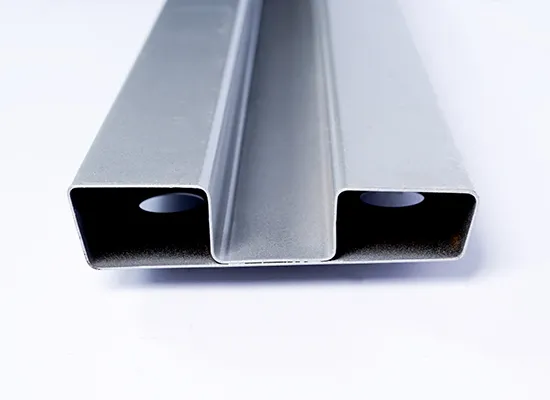
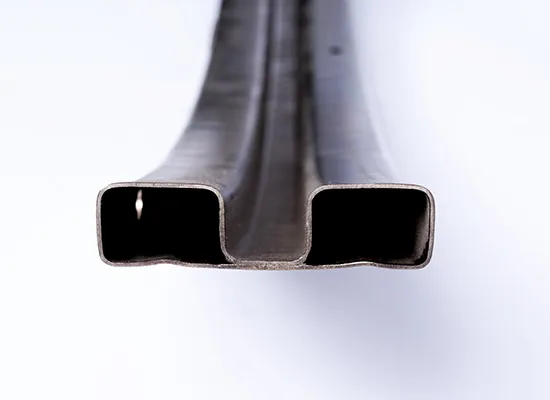
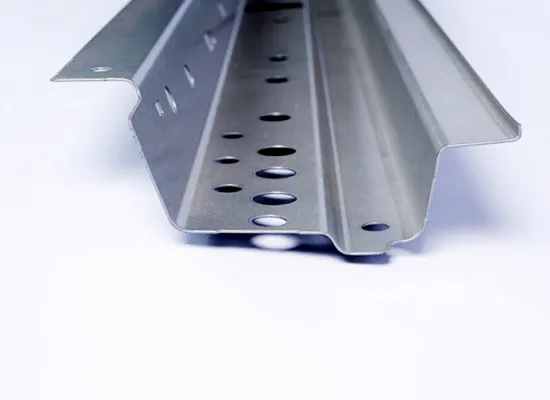
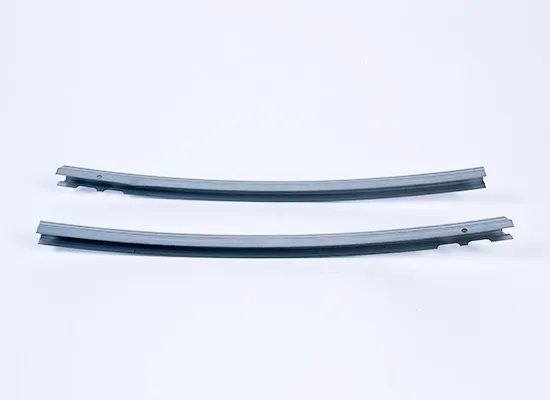
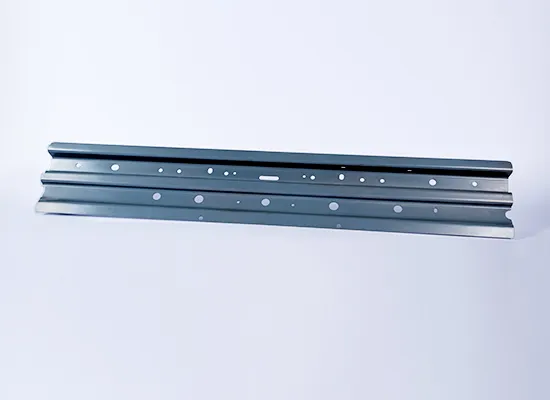
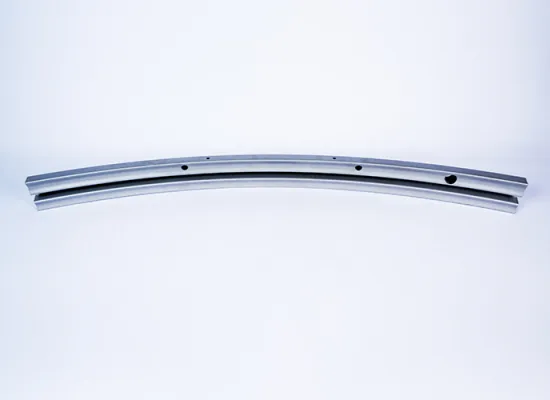
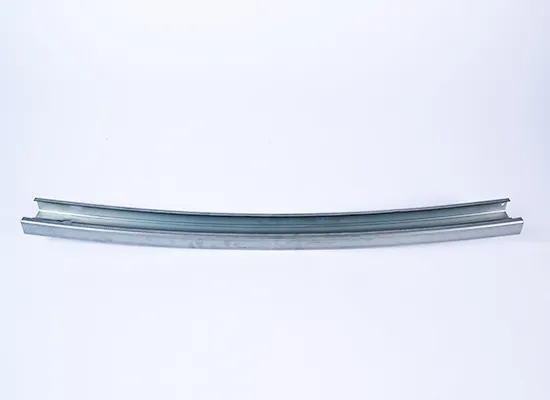
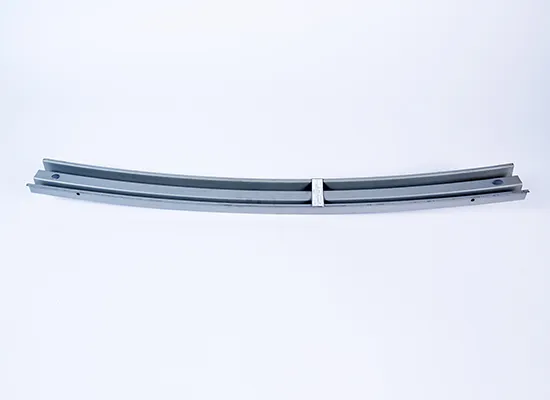
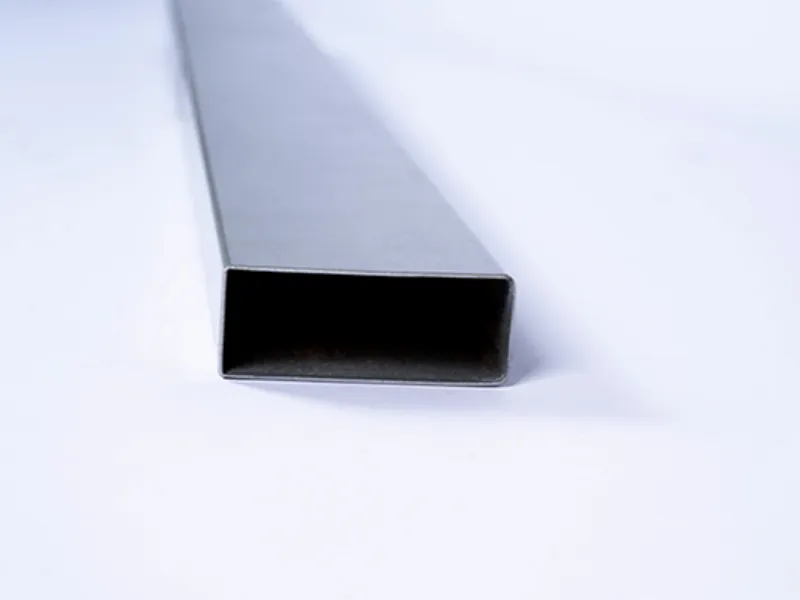
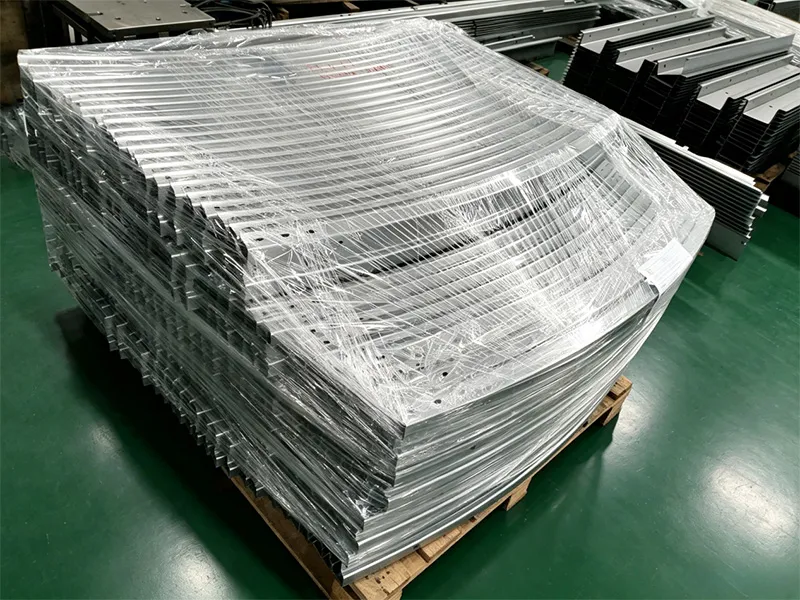
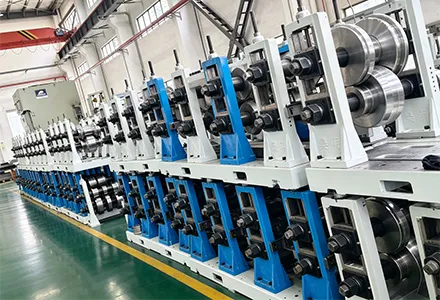
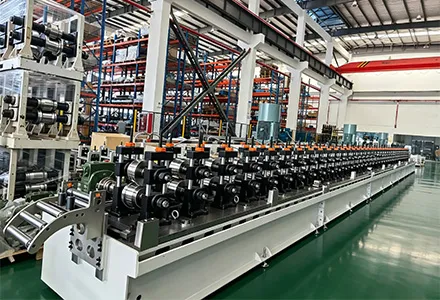
The roll-forming bumpers we make is engineered to deliver superior occupant safety and structural integrity while meeting stringent lightweighting targets. Utilizing Advanced High-Strength Steels (AHSS) and Ultra-High-Strength Steels (UHSS), these components are manufactured through a continuous cold-forming process that ensures exceptional dimensional accuracy and mechanical performance.
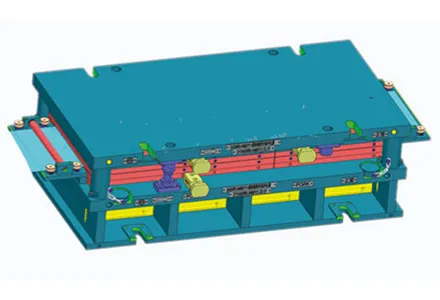
The specific cross-sectional geometry is optimized via CAE simulation to manage crash energy absorption and minimize intrusion during collisions. Compared to traditional stamped parts, our roll-forming process offers higher material utilization and cost-efficiency for high-volume production, making it the ideal solution for modern vehicle architectures.
High Strength-to-Weight Ratio
Made from high-strength steel (e.g., hot-stamped or advanced high-strength steels), offering excellent impact energy absorption while reducing vehicle weight.
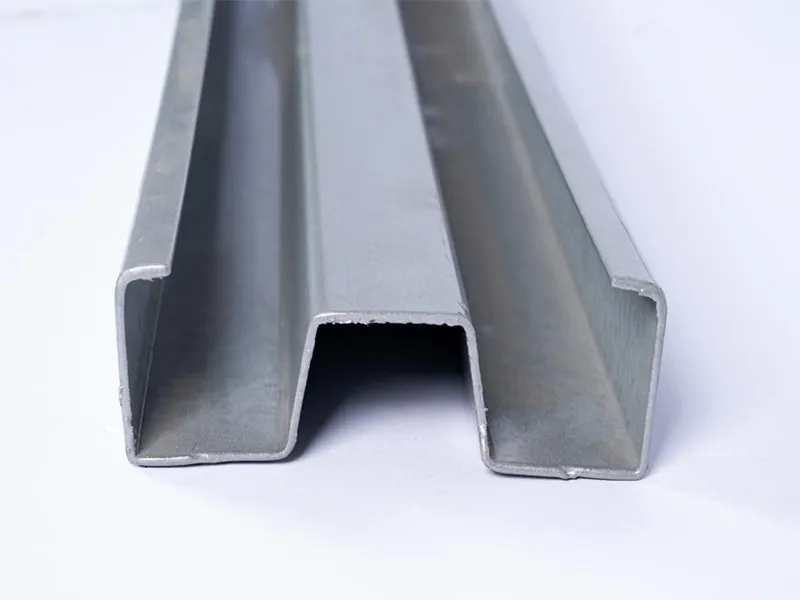
Complex Cross-Sections
Roll forming allows continuous production of custom profiles (e.g., B-pillar shapes, hat sections) with consistent geometry, optimizing crash performance.
Cost-Effective Mass Production
High-speed, automated process lowers per-unit cost compared to stamping or casting, ideal for large-scale manufacturing.
Material Efficiency
Minimal scrap generation; precise material usage reduces waste versus traditional cutting/stamping methods.
Enhanced Crash Performance
Engineered to meet strict safety standards (e.g., IIHS, Euro NCAP) by controlling deformation patterns during collisions.
Design Flexibility
Compatible with integrated features like flanges, reinforcements, and mounting points without secondary operations.
Corrosion Resistance
Often paired with coatings (e.g., galvanization) or post-treatments to withstand harsh environments.
Structural Integration
Seamlessly connects to vehicle body structures (e.g., rocker panels, door inners) to distribute impact forces effectively.
We are looking forward to working with you. Please feel free to contact us if you have any inquiry.