Phone:
+86-021-39198011
EN
WHAT ARE YOU LOOKING FOR?
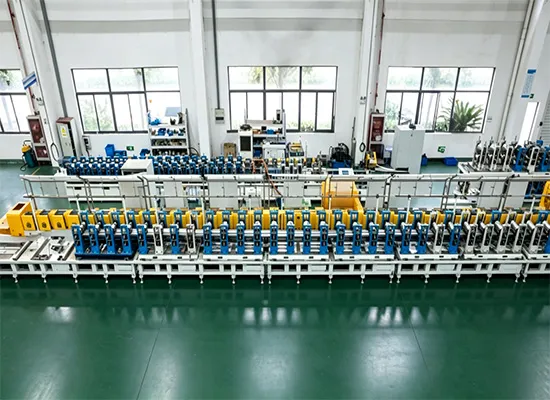
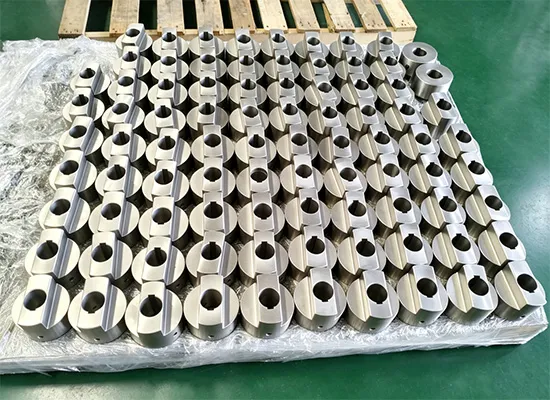
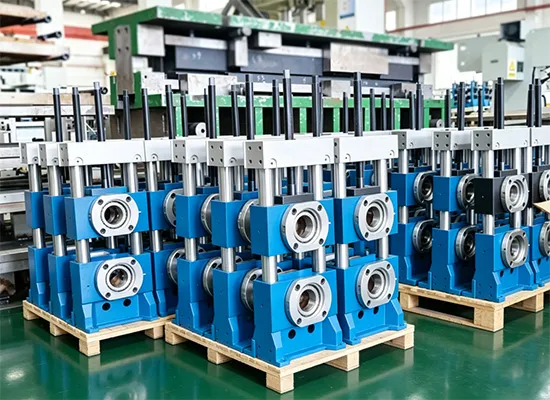
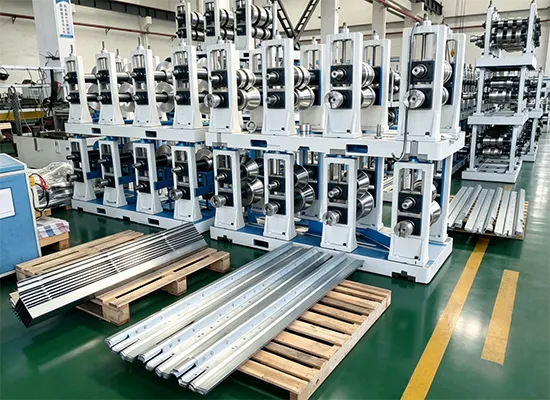
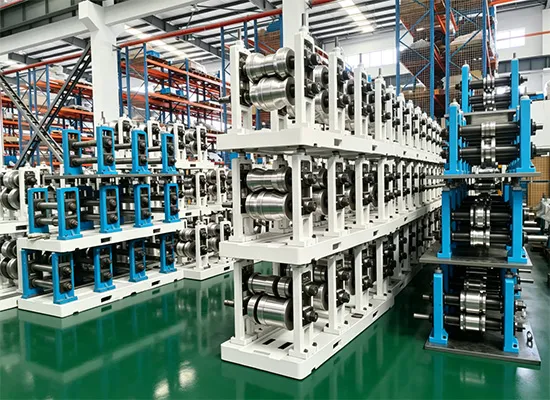
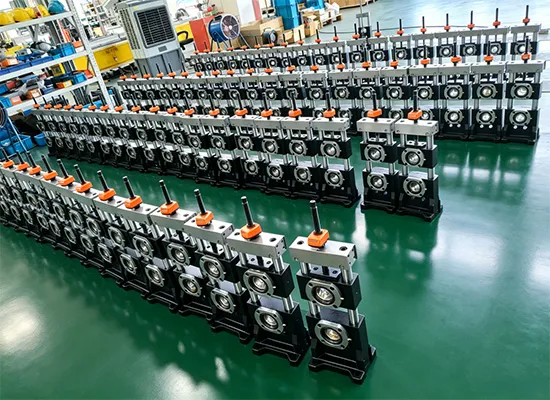
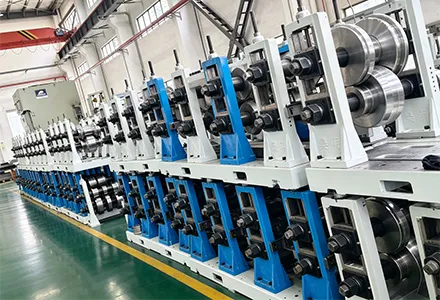
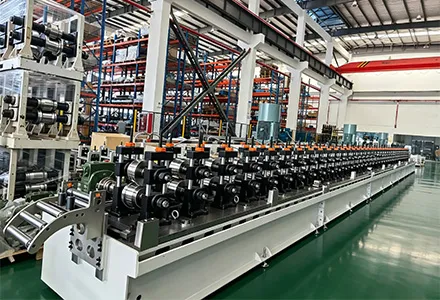
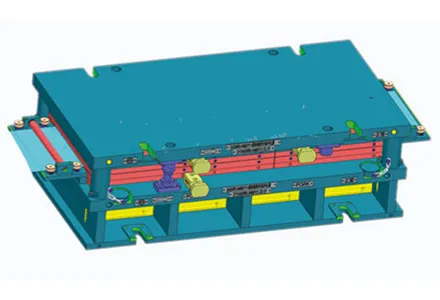
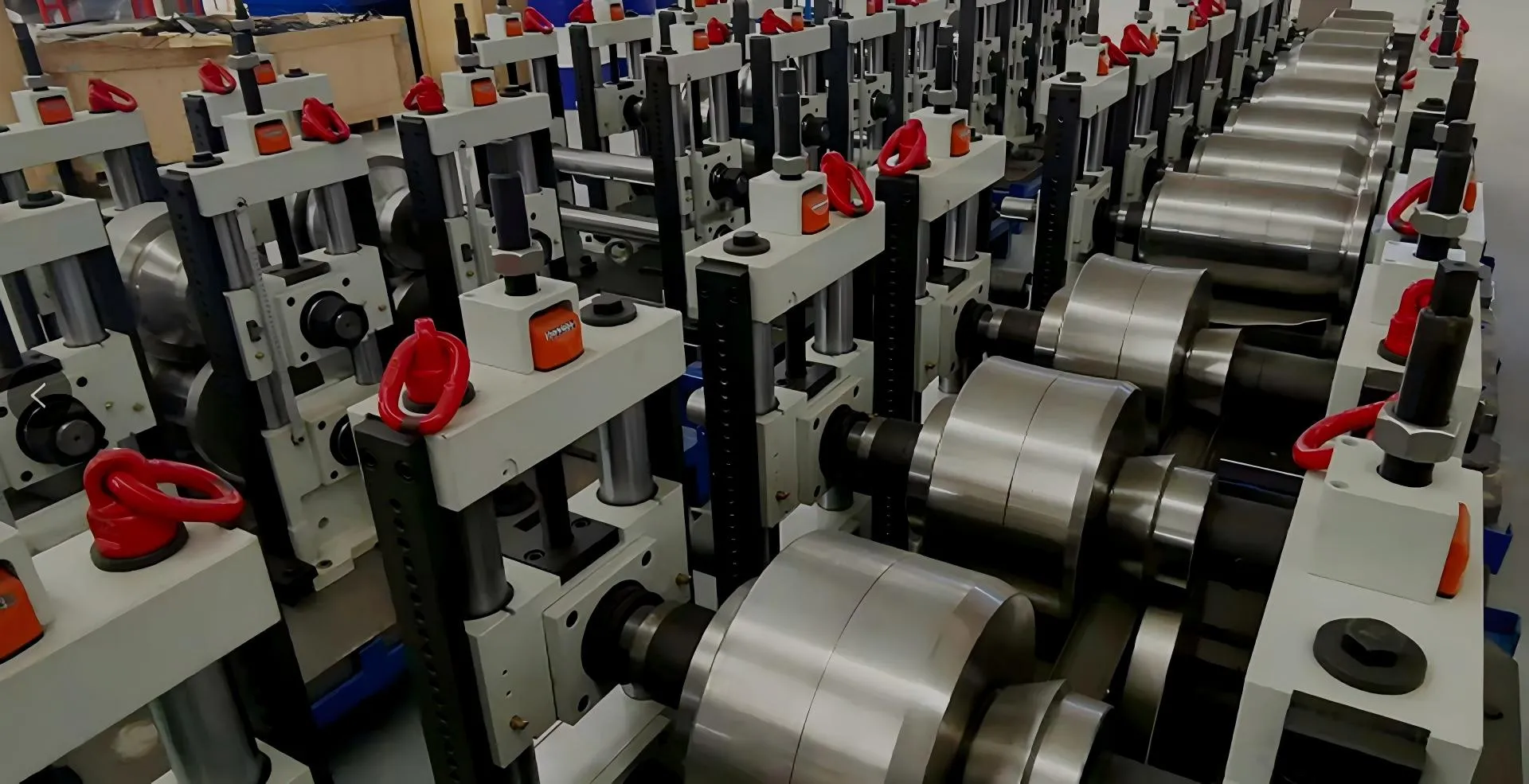
A roll forming die (roll set) is a precision-engineered pair of contoured rollers installed at each station of a roll forming machine. As the flat strip passes through successive stations, the rollers incrementally bend and shape the material into the required continuous profile such as channels, Z-sections, or custom sections .
A roller forming die (roller head) is a revolving tool with a profiled contour that presses against plastic clay on a rotating plaster mold to form the green body by rolling action.
Roller forming dies (or roll forming tools) are all about turning flat metal into perfectly shaped profiles through continuous, high‑pressure rolling — no heat, just cold mechanical magic.
Shaped by rotation: The die isn’t a single stamp; it’s a series of grooved rollers that gradually bend the metal strip step by step.
Cold work only: Everything happens at room temp — the metal gets harder and stronger as it’s rolled (strain hardening).
Super consistent: Once set up, every piece comes out identical — ideal for long runs like roof panels, door frames, or car parts.
Smooth surface finish: No scratches or tool marks because the metal flows continuously instead of being punched.
Material saver: Uses coils directly, so very little waste compared to blanking + welding.
We are looking forward to working with you. Please feel free to contact us if you have any inquiry.